Why the right champagne glass matters | ZWIESEL GLAS
Champagne is not just a drink – it is emotion, festivity, and the finest craftsmanship. But the choice of glass determines whether the delicate bubbles, the complex aromas, and the elegant texture can fully develop. Whether sparkling wine, sekt, or champagne: the right crystal glass enhances the flavor and makes the enjoyment complete. Key factors:
- Perlage: the fine bubbles that ensure freshness and liveliness
- Aroma development: how the scent reaches the nose
- Mouthfeel: how the sparkling wine is perceived on the palate
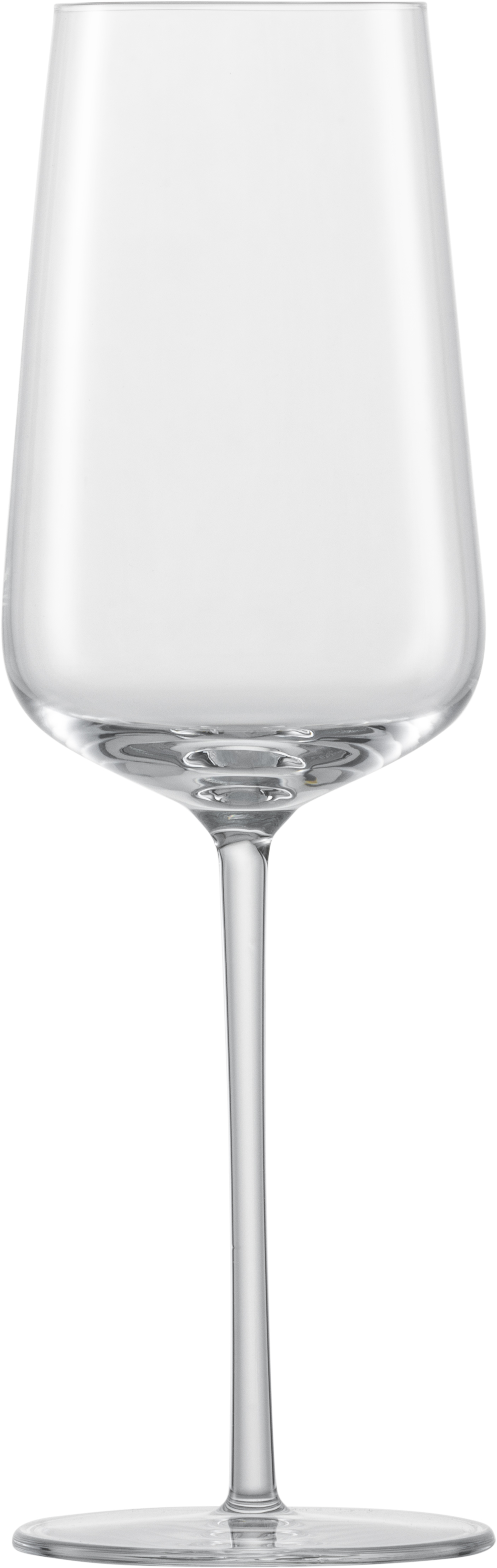
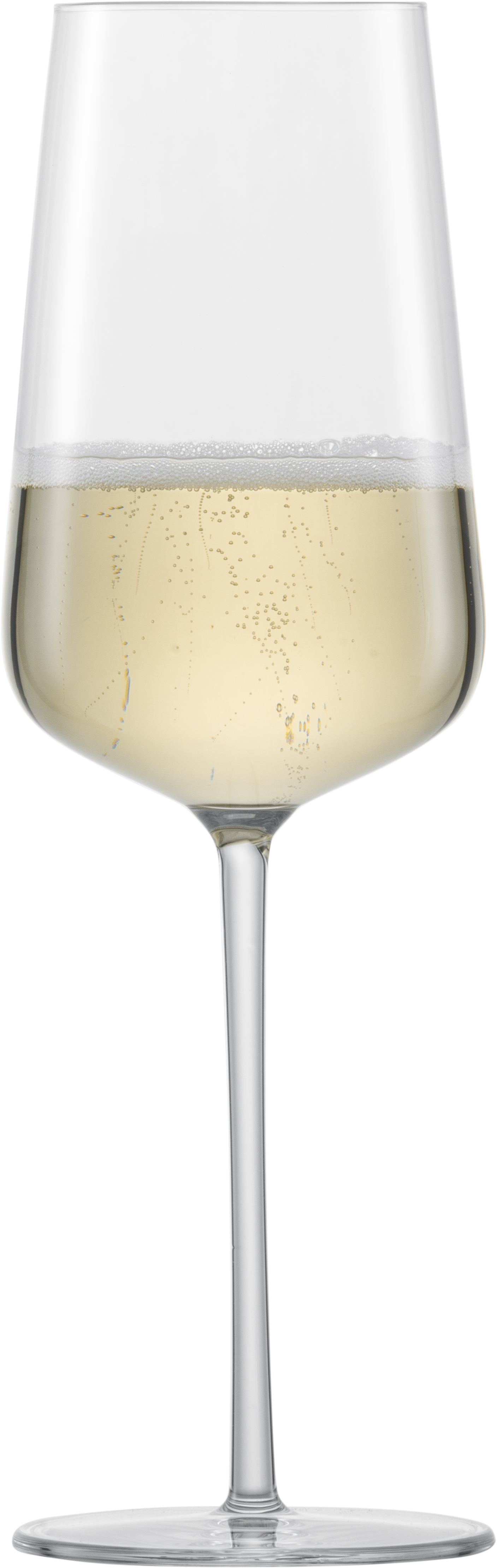
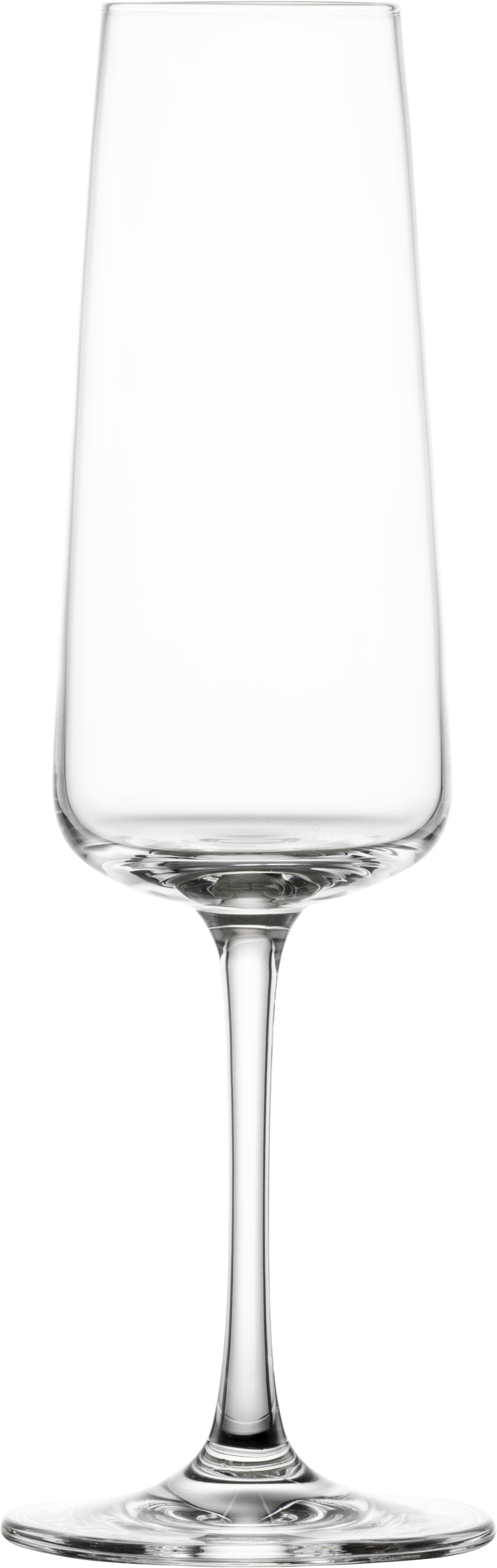
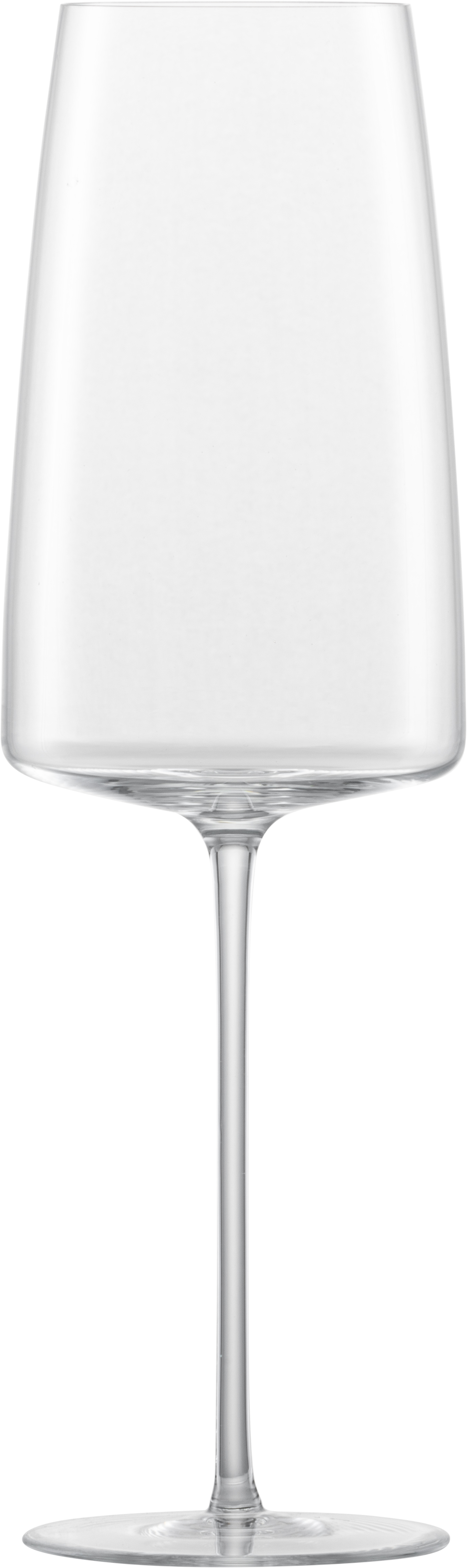
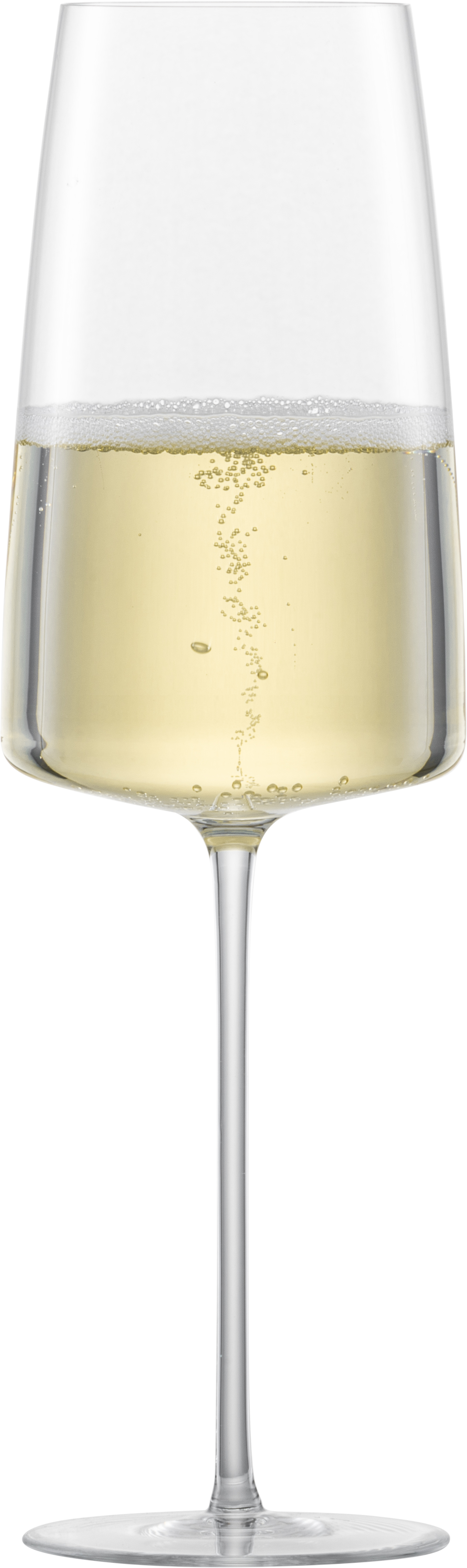
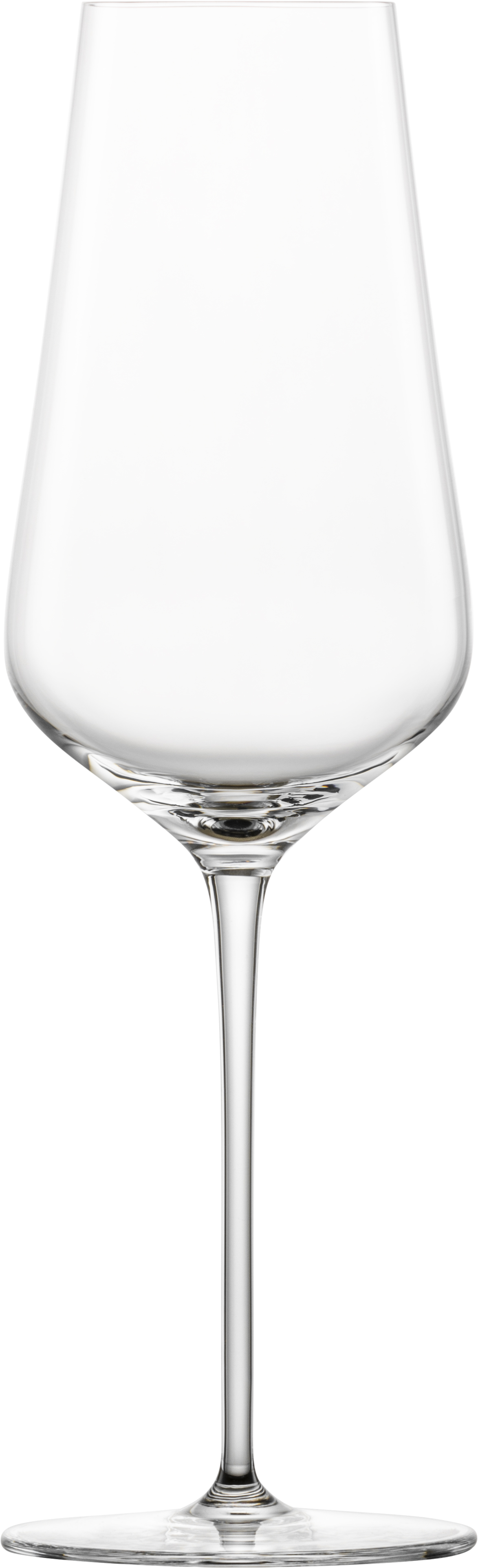
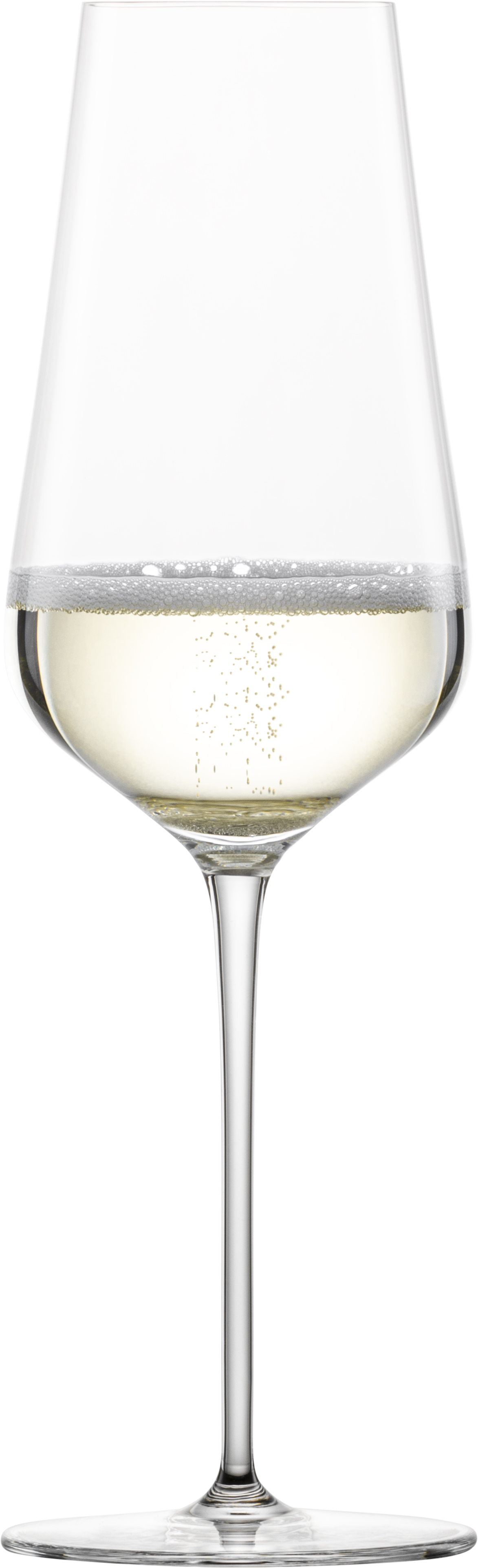
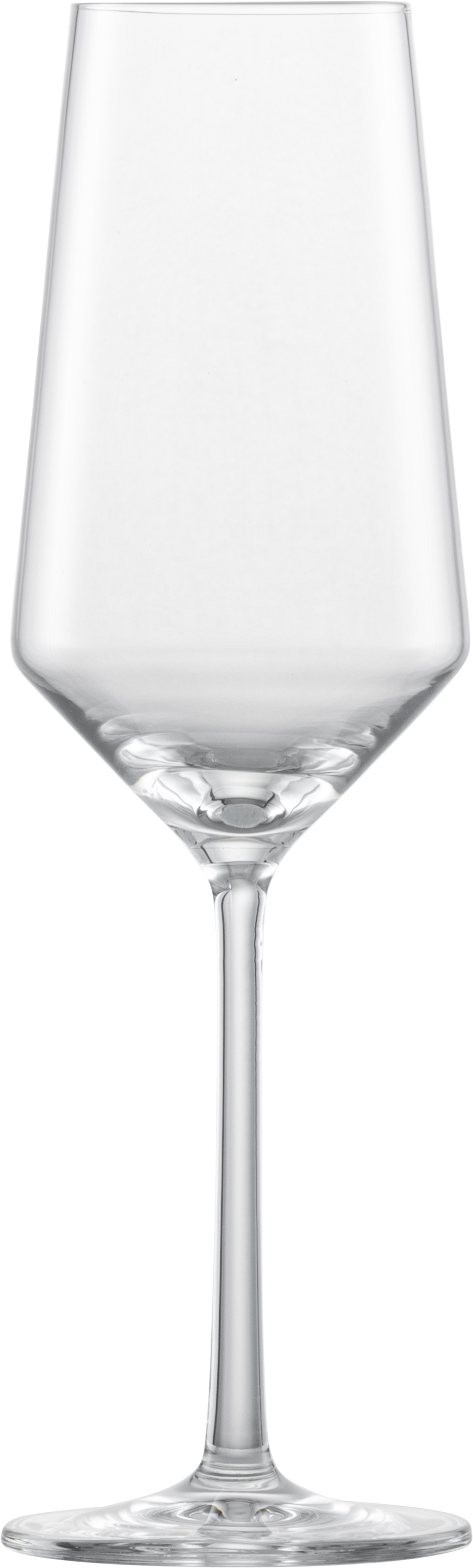
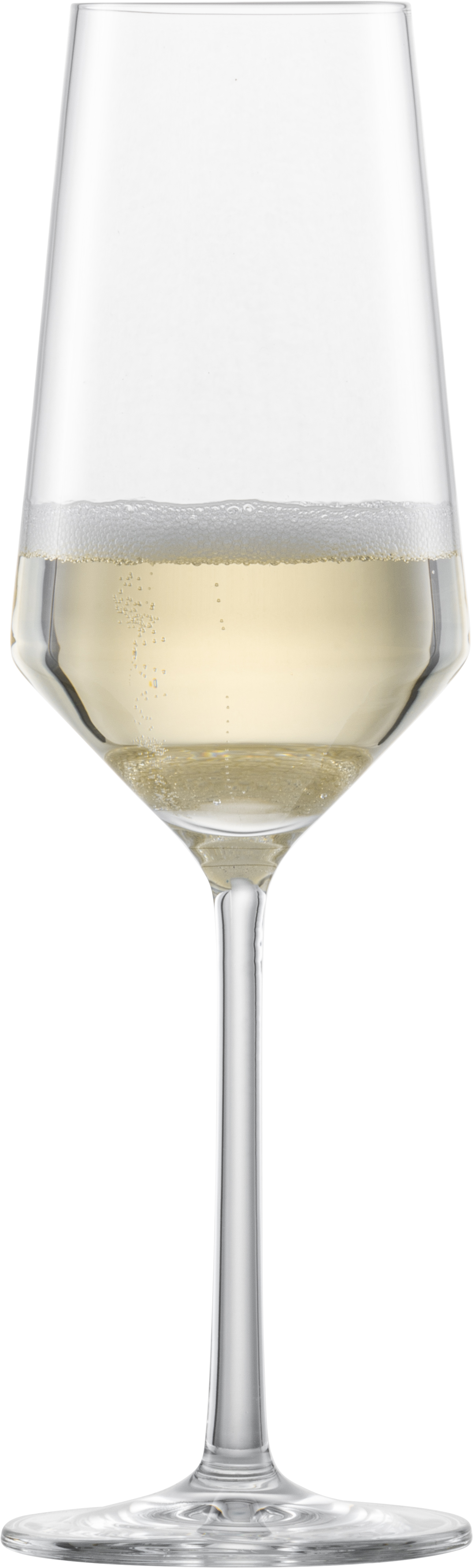
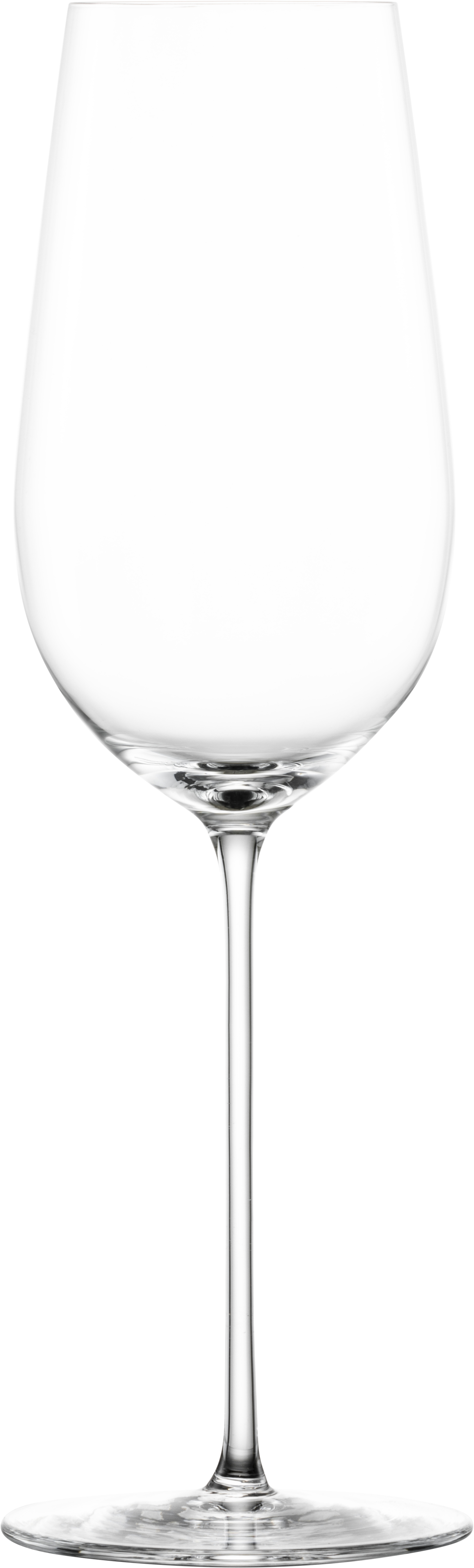
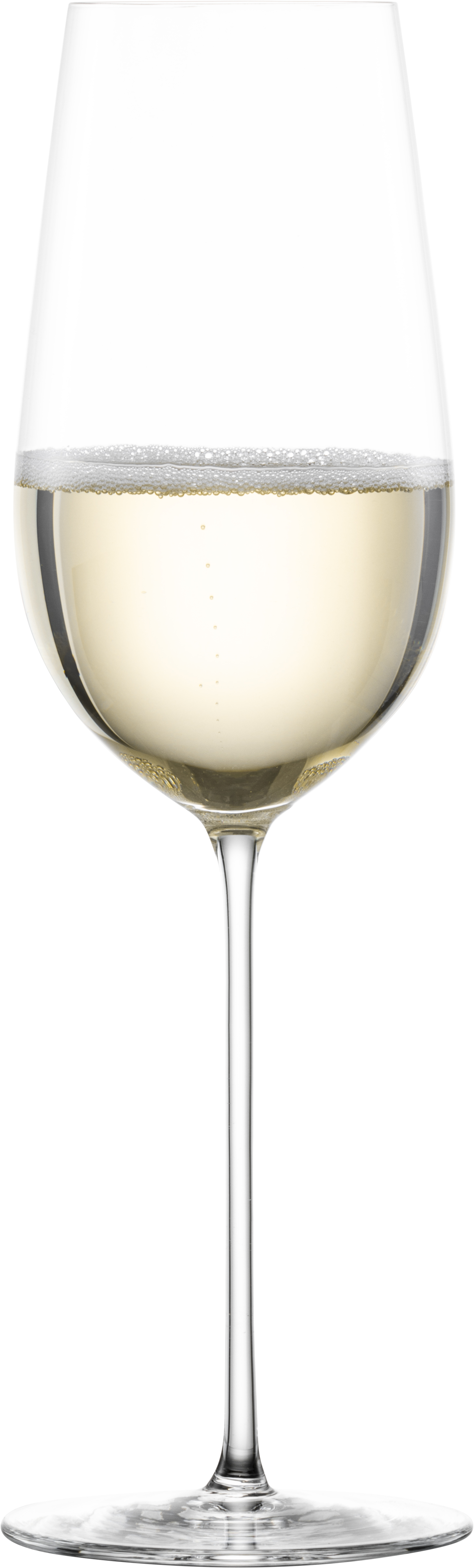
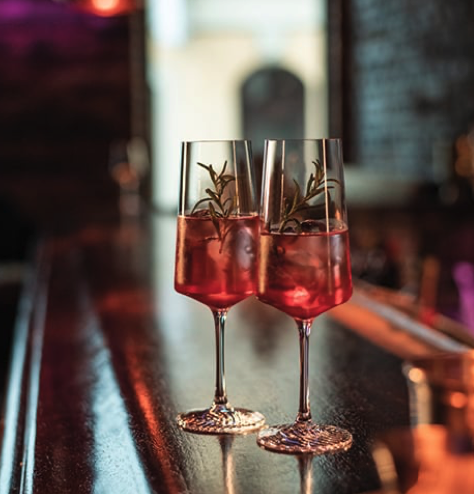
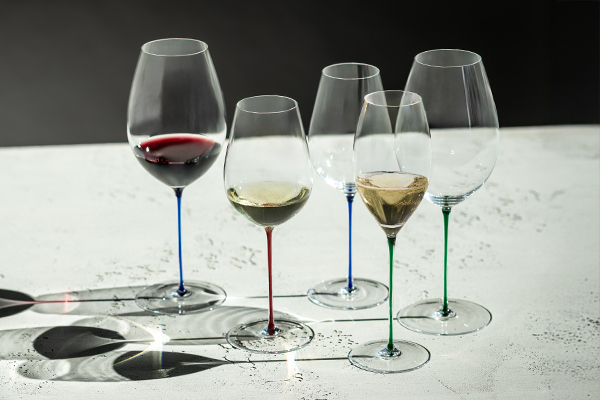
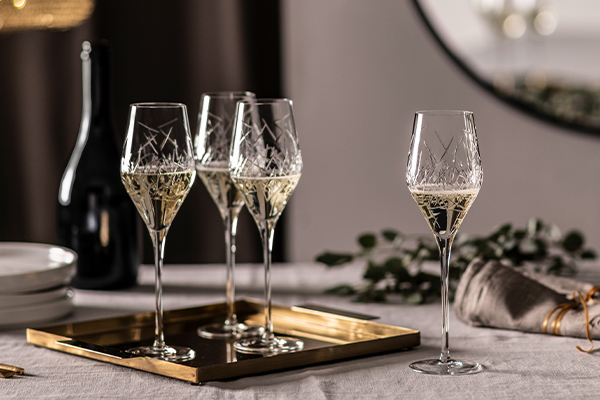
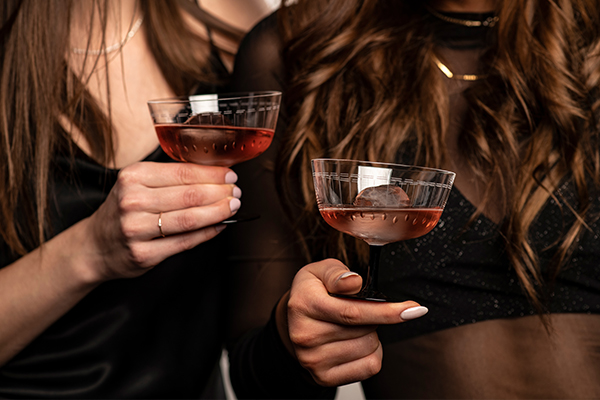
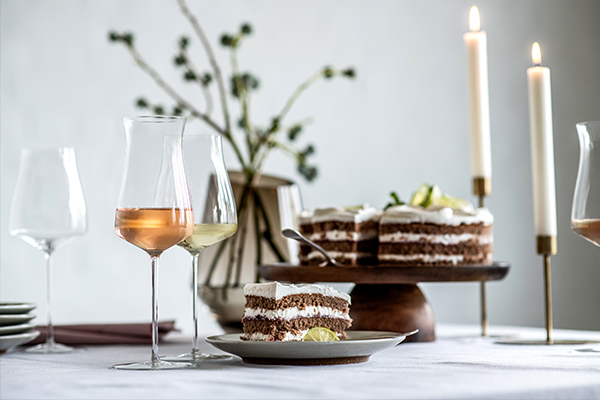
The 4 main champagne glass shapes at a glance
Perfect serving temperature – the right choice for every type
- 6–12 °C depending on champagne type.
- Too cold = aromas muted.
- Too warm = bubbles fade quickly.
- Tip: pour slowly along the glass wall – bubbles last longer.
Enjoyment with all senses
- Choose the right glass
- Let it rest briefly after pouring
- Discover the aroma first with the nose
FAQ
Frequently asked questions about champagne enjoyment
For young and fresh champagnes, the flute is suitable; for complex vintages, the tulip is preferable. Those who like it glamorous choose the coupe – for all-rounders, The Moment is recommended.
Special tulip-shaped champagne glasses or sparkling wine flutes are also an excellent choice. More information and a selection of suitable champagne glasses can be found on our category page.
Champagne that is too cold masks aromas, and if it is too warm, the carbonation escapes. The optimal range is 6–12 °C.
With a special champagne stopper, 1–2 days in the refrigerator.