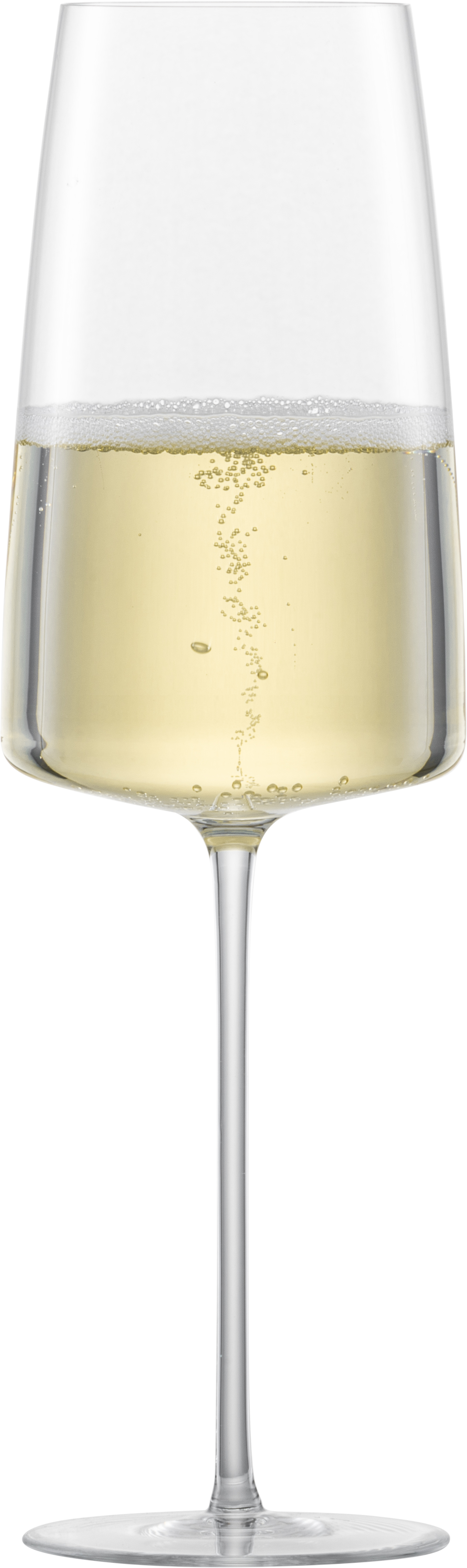
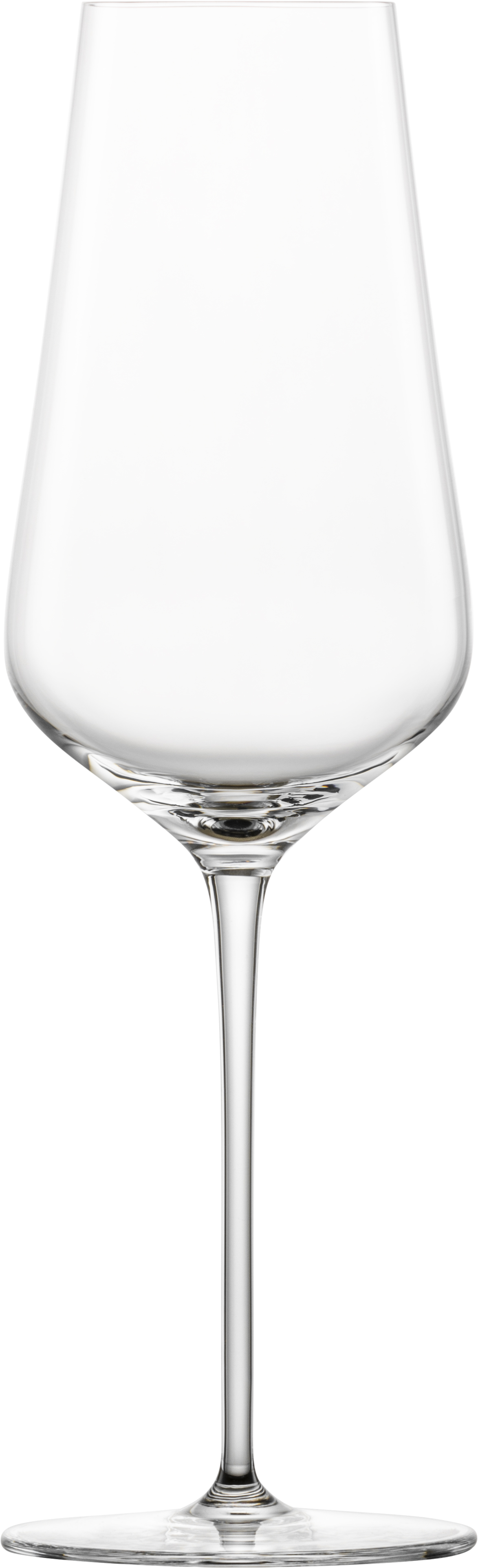
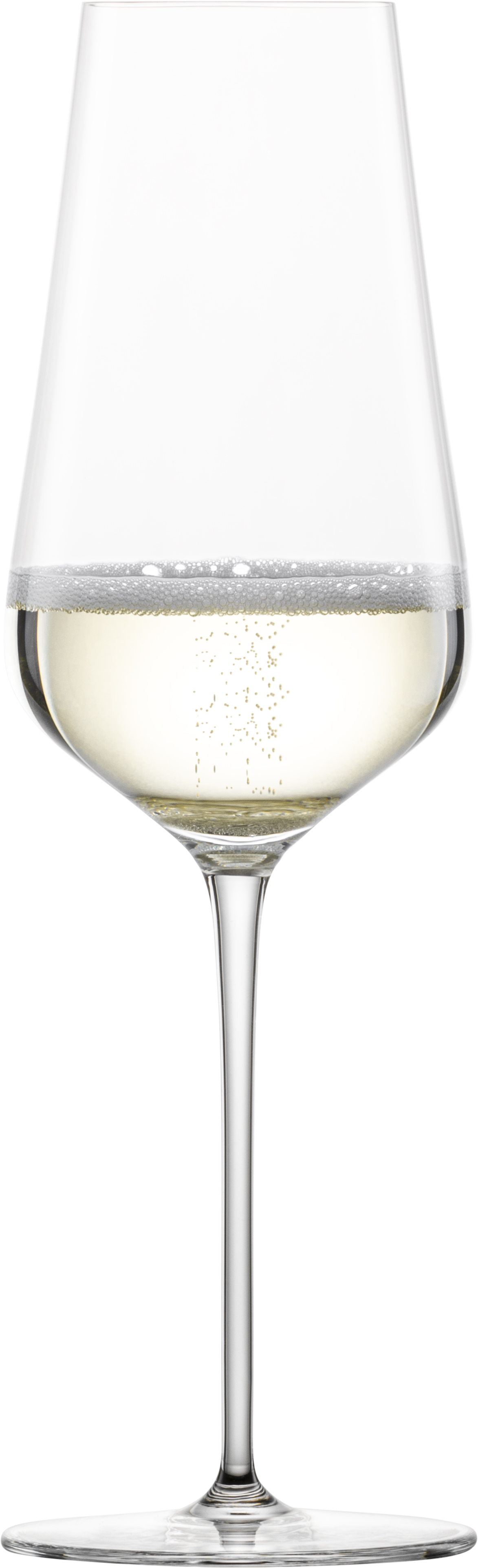
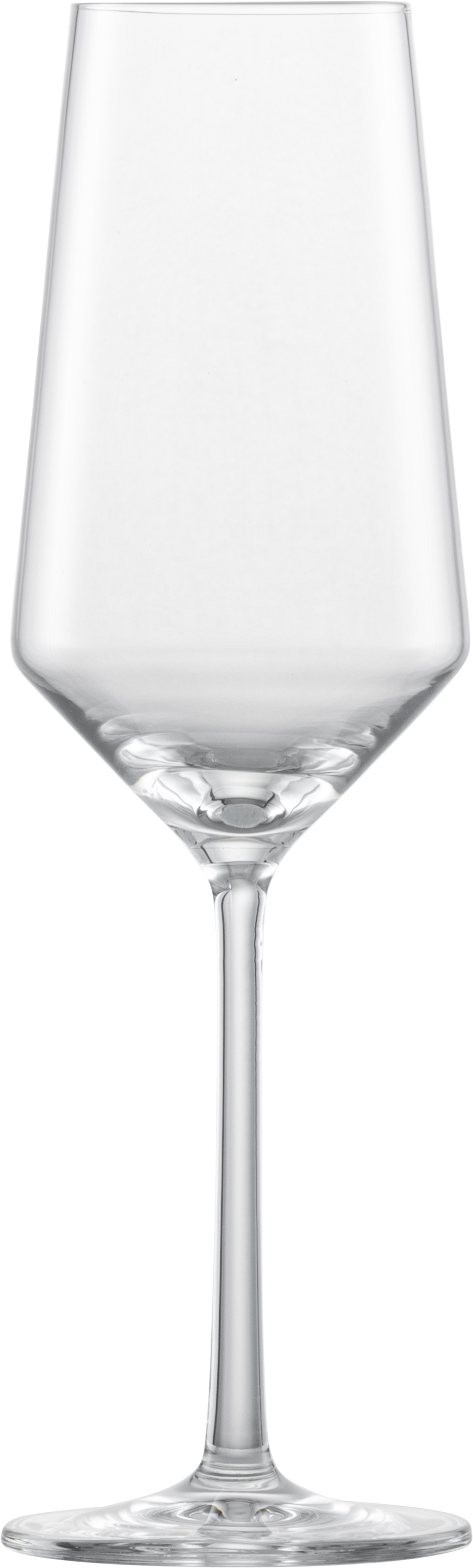
Why the right champagne glass matters | ZWIESEL GLAS
Champagne is not just a beverage – it is emotion, celebration, and the finest craftsmanship. Yet, the choice of glass decides whether the fine bubbles, complex aromas, and elegant texture can fully develop. Whether sparkling wine, sekt, or champagne: the right crystal glass accentuates the flavor and makes enjoyment perfect.
Key influencing factors:
- Perlage: The fine bubbles that bring freshness and liveliness
- Aroma development: How scent molecules reach the nose
- Mouthfeel: How sparkling wine is perceived on the palate
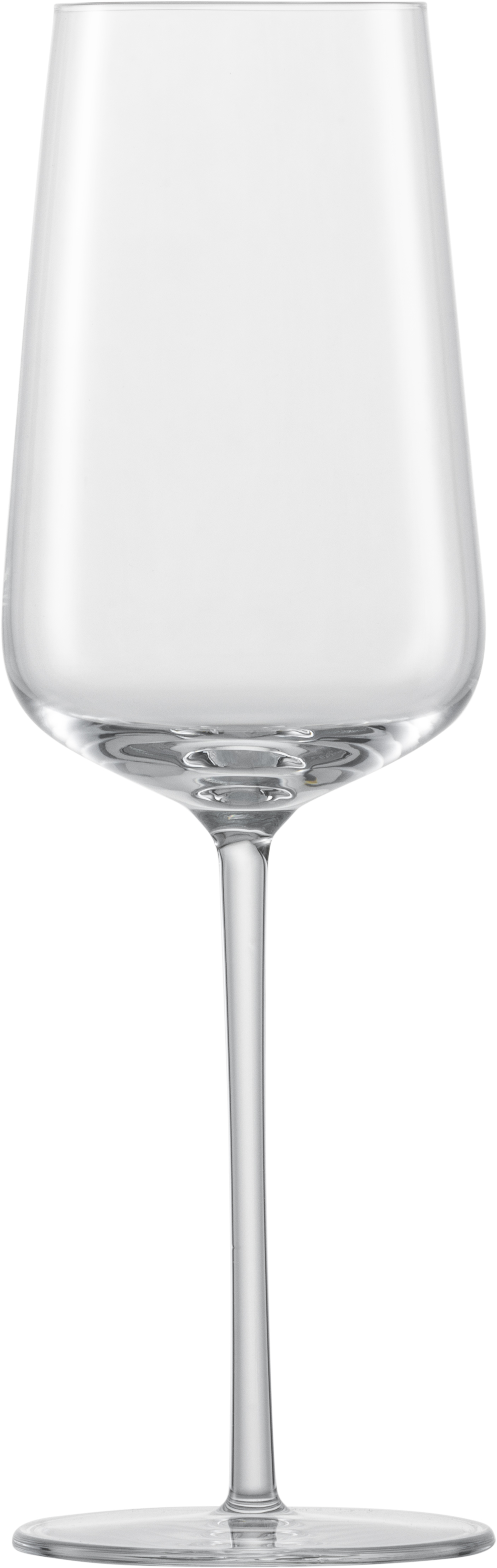
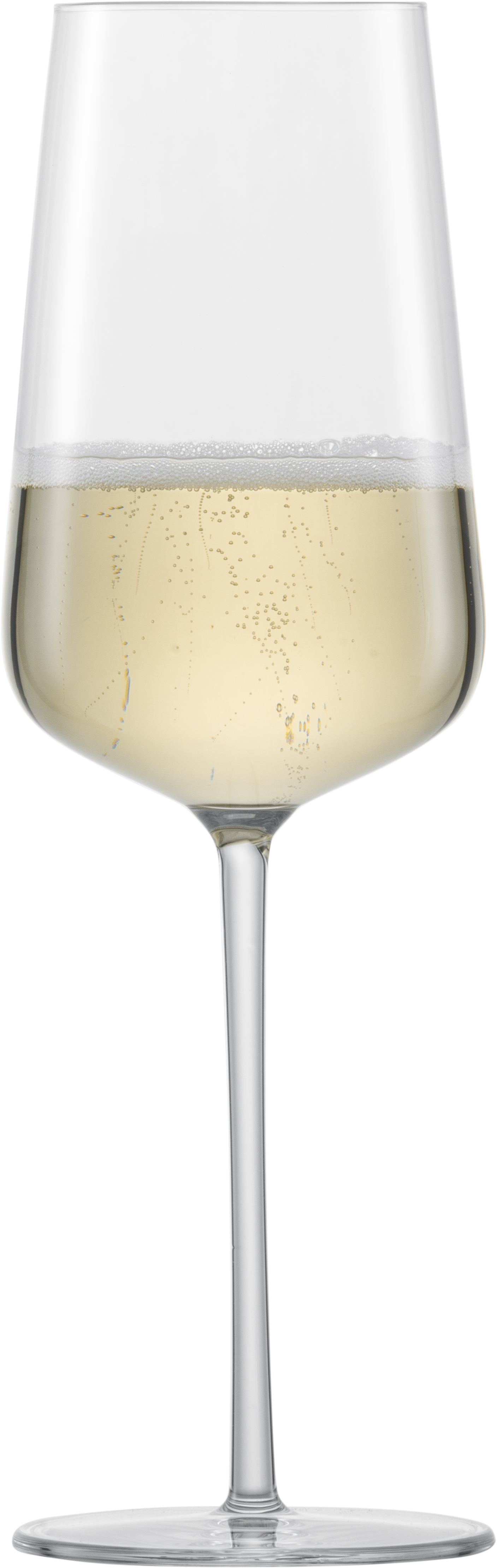
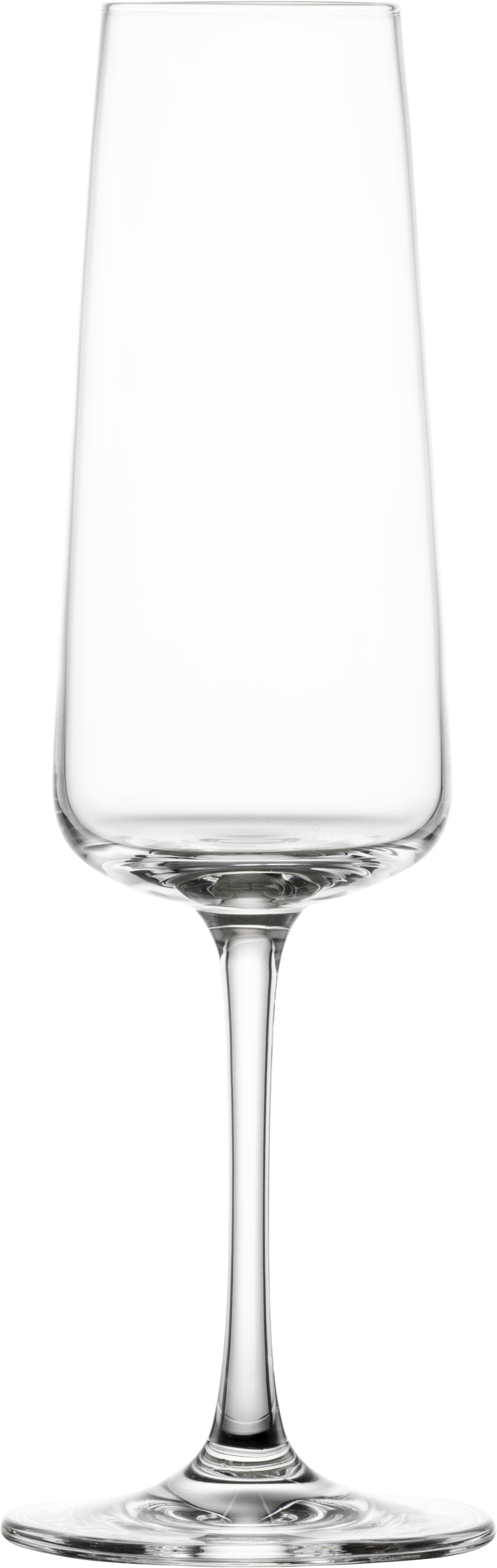
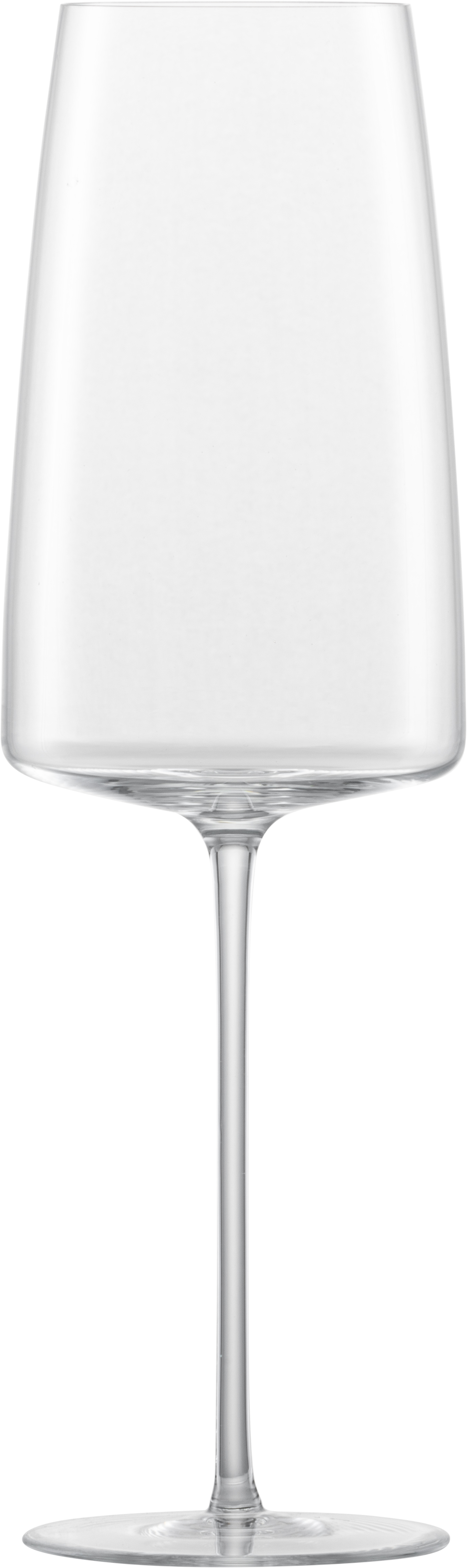
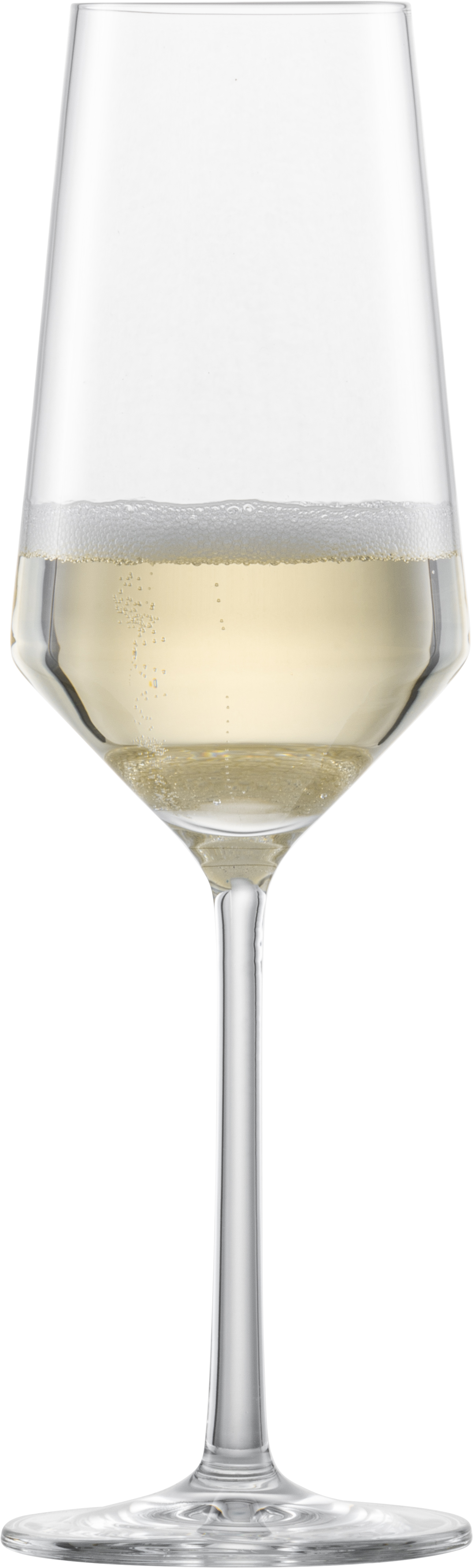
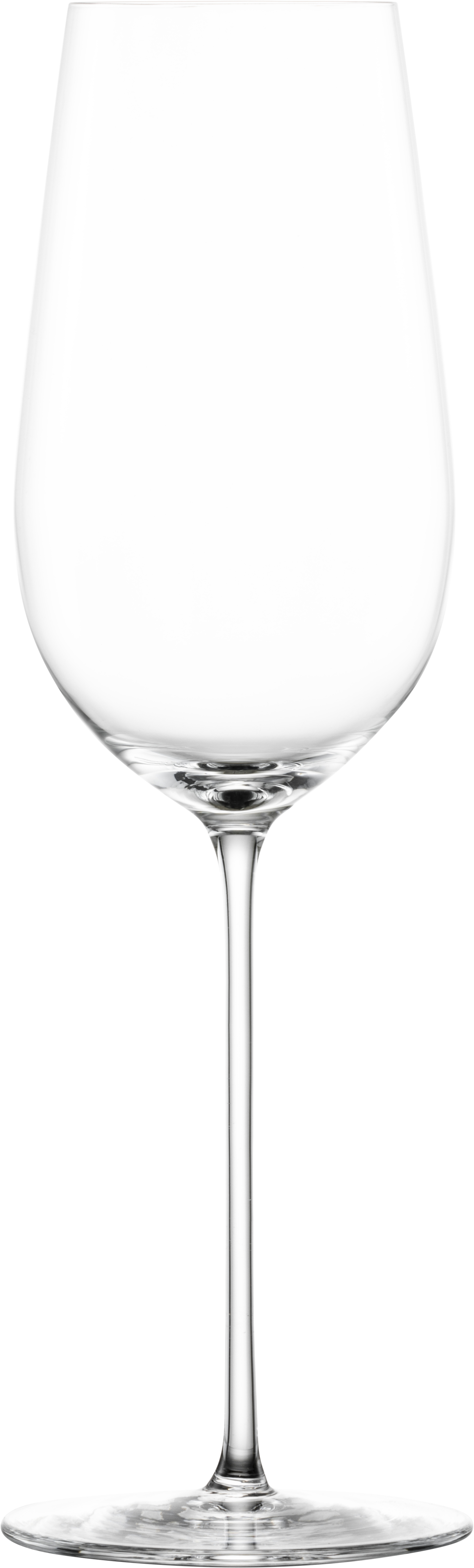
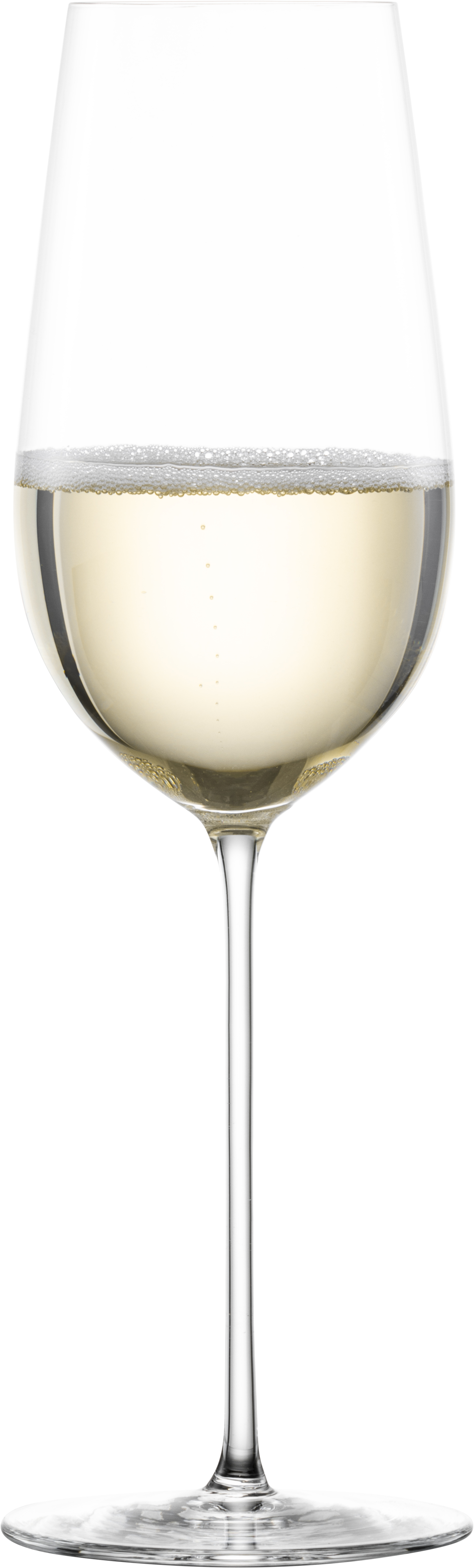
The 4 main glass shapes for champagne at a glance
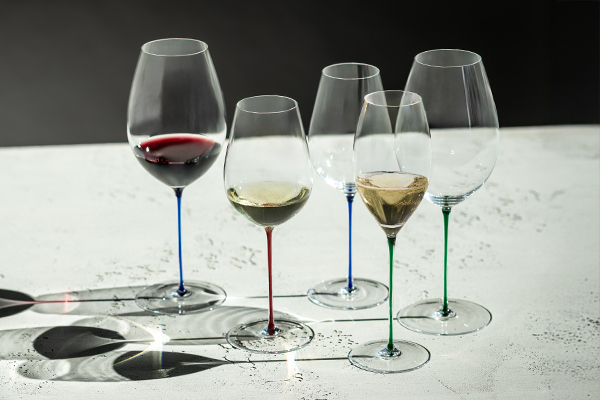
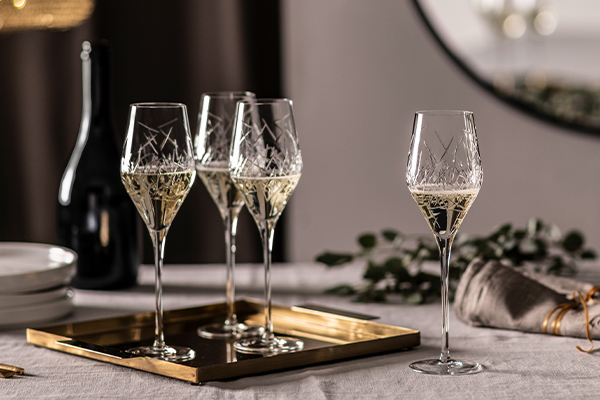
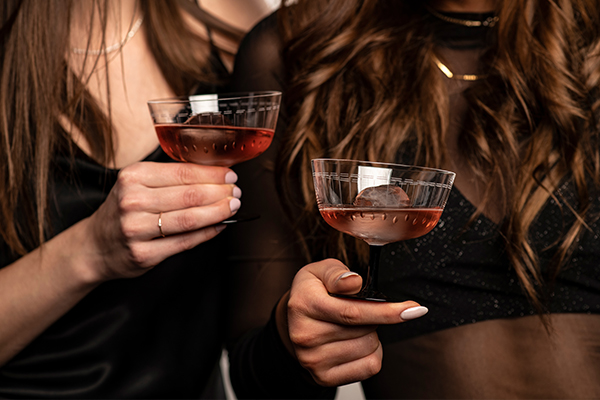
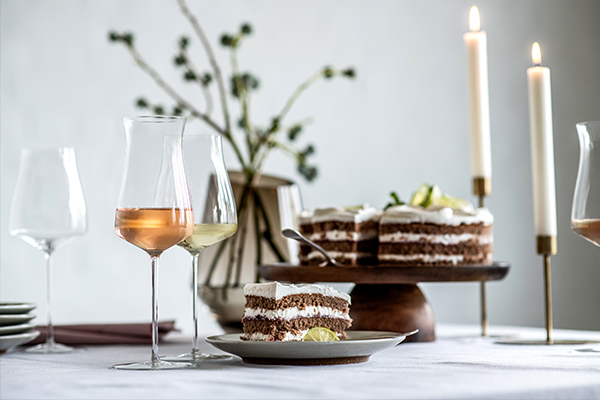
Perfect serving temperature – the right one for each type
- Optimal: 6–12 °C depending on type of champagne
- Too cold = aromas locked
- Too warm = perlage disappears quickly
- Pouring tip: Tilt the glass slightly, pour slowly along the edge → bubbles last longer
Enjoyment with all senses
- Choose the right glass
- Let it rest briefly after pouring
- Discover the aroma first with the nose
- Take conscious time for the moment
FAQ
Frequently asked questions about enjoying champagne
For young and fresh champagnes, the flute is suitable; for complex vintages, rather the tulip. Those who love glamour opt for the coupe – The Moment is recommended for all-rounders. Special tulip-shaped champagne glasses or sparkling wine flutes are also an excellent choice. More information and a selection of suitable champagne glasses can be found on our category page.
Champagne that is too cold masks aromas; too warm lets the carbonation escape. The optimal range is 6–12 °C.
With a special champagne stopper: 1–2 days refrigerated.